Relief is not always experienced as relief
This surprises people.
They finally get a break, the deadline passes, the conflict quiets down, the body has room to unclench a little, and instead of feeling grateful they feel restless, exposed, or uneasy.
Sometimes they even create a new problem just to escape the strange feeling of openness.
It can look self-destructive from the outside. It is often more accurate to say the nervous system has not yet learned how to trust the absence of pressure.
Stress can become a kind of orientation
Long stress does not only tire you out. It teaches you where to stand.
You learn how to function while braced.
You learn how to anticipate impact.
You learn how to keep moving by staying slightly mobilized all the time.
Then the pressure drops and the body has no clear script for what comes next.
That is why rest can feel slippery. Without the usual compression, you suddenly notice grief, exhaustion, loneliness, anger, or the sheer unfamiliarity of not being in fight mode.
The first quiet moment often exposes what stress was covering
This is where people get confused.
They think the discomfort means the calm is fake.
More often the calm is real and the discomfort is what the stress had been masking.
The body is finally surfacing information it could not process while it was busy surviving.
That is not a regression. It is part of what happens when pressure loosens.
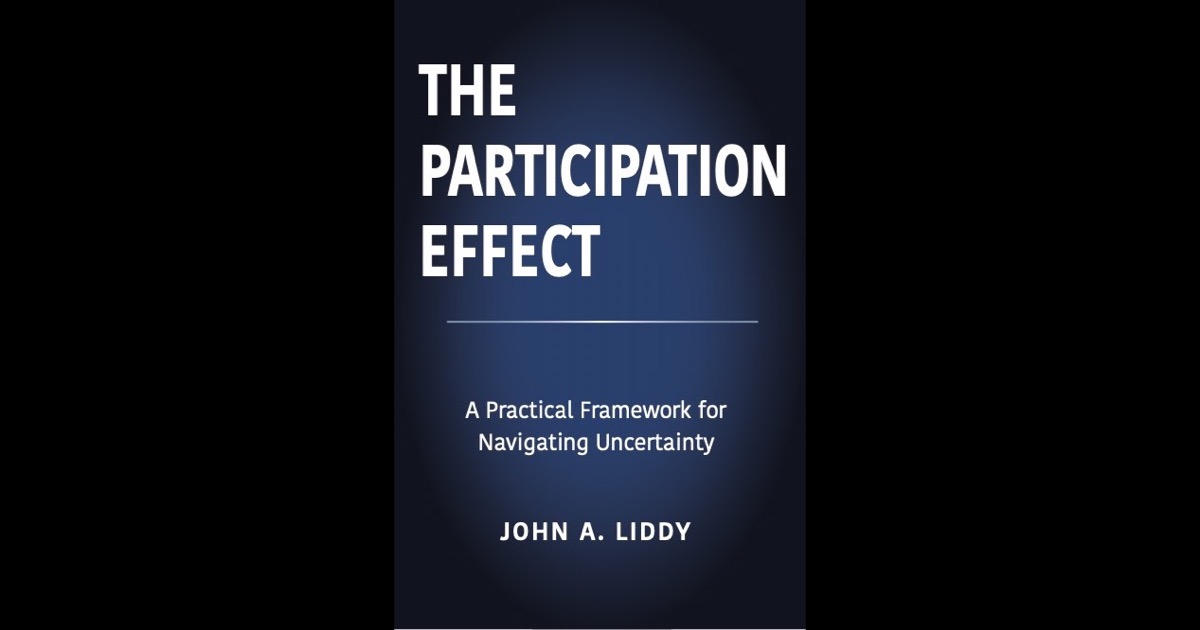
In The Participation Effect, this is why recognition matters before strategy. If you misread the state, you start solving the wrong problem. You try to get the stress back because at least the stress feels familiar.
If you want the full framework behind that, the book is on Amazon. If you want the daily recognition practice, Daily Rise is designed for exactly this threshold.
People often mistake tension for readiness
This is one of the harder habits to break.
Tension can feel productive.
Urgency can feel like commitment.
Hypervigilance can feel like intelligence.
So when relief shows up, it can feel like you are losing your edge.
The truth is usually more inconvenient than that. Tension can create motion, but it also narrows perception. It makes some decisions feel urgent that are not urgent, and it can make simple problems look existential.
Relief is not the enemy of action. It is often the condition that lets better action happen.
Why people sabotage the moment things get easier
Sometimes the sabotage is dramatic.
Sometimes it is subtle.
Picking a fight. Doomscrolling until midnight. Overcommitting. Reopening a resolved issue. Interpreting one quiet day as evidence that something must be wrong.
The behavior makes more sense when you understand the function it serves.
It restores a familiar level of activation.
That does not make it wise. It does make it understandable.
What to do instead of recreating the old pressure
Name the state honestly.
“This feels unfamiliar” is a much better sentence than “something is wrong.”
Slow the interpretation down.
Notice whether the discomfort is actually danger or whether it is simply the absence of your usual tension.
You do not have to force the body to love relief immediately. You only have to stop turning relief into fresh evidence that life must stay hard.
Relief can feel dangerous right before it starts feeling safe
That middle phase matters.
If you can stay with it without manufacturing a new emergency, the system starts learning something new:
space is survivable
quiet is survivable
not every unclenching is a trap
That lesson changes more than one afternoon. It changes what kind of life becomes possible.
If you want the deeper framework for that shift, start with The Participation Effect on Amazon. If you want a small daily tool that helps you recognize the state you are actually in before you react to it, use Daily Rise.