Anxiety makes every option feel more dangerous than it is
When you are anxious, your mind starts treating uncertainty like evidence.
The unanswered email becomes rejection.
The pause in a conversation becomes disaster.
The big decision in front of you becomes a test you cannot afford to fail.
That is why anxious decision-making feels so exhausting. You are not evaluating options on a normal field. You are evaluating them inside a nervous system that is already trying to protect you from loss, embarrassment, pain, and regret.
The result is predictable. You freeze, rush, over-research, or hand your judgment over to the loudest fear in the room.
Clarity comes before confidence
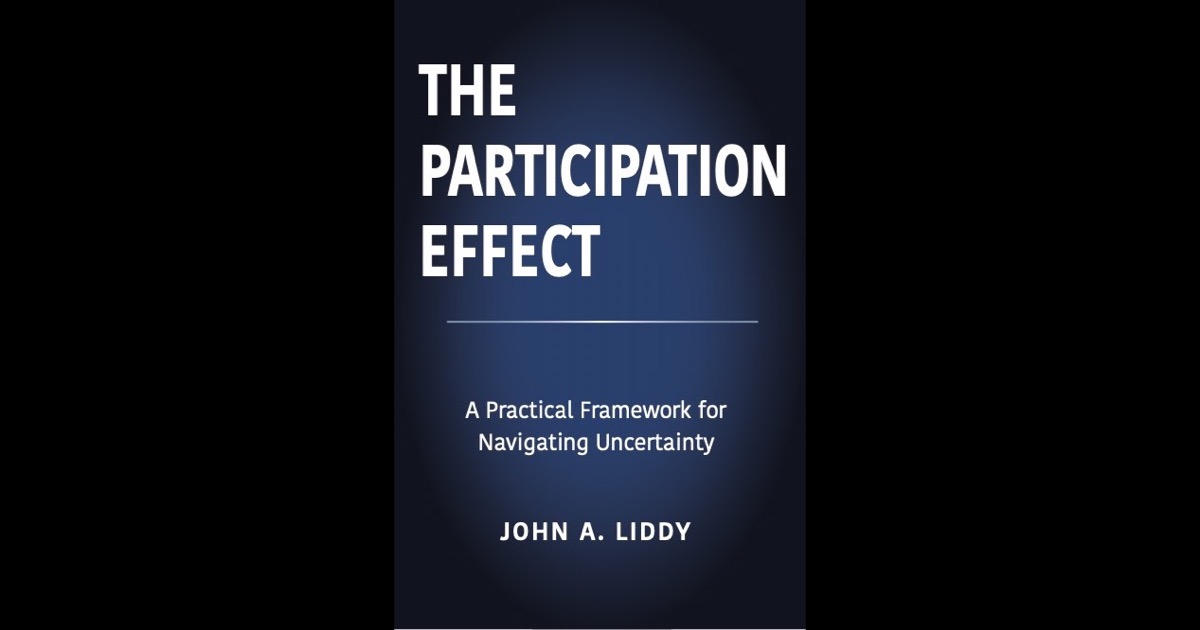
One of the most useful ideas in The Participation Effect is that state comes before strategy.
People often reverse that. They assume they need a better spreadsheet, a smarter framework, or more information. Sometimes they do. A lot of the time they need to stop making the decision from a body that already feels cornered.
If you are below neutral on the emotional scale, your perception is already narrowed. That means the decision you are making may not be wrong, but the way you are seeing it is incomplete.
That is why calm matters, but not in the soft, mystical sense people usually mean. Calm matters because it widens perception.
If you want the broader framework for that, The Participation Effect lays it out directly. If you want the short daily practice version, the Daily Rise companion page is the faster starting point.
The first decision is whether this is actually a decision window
Not every anxious moment deserves a final answer.
One of the best questions you can ask is simple: do I actually need to decide this right now?
That question sounds obvious. It is not.
Anxiety creates fake urgency. It tells you relief is on the other side of immediate resolution, so you start treating discomfort like a deadline.
Sometimes a real deadline exists. Often it does not.
If you do not have to decide tonight, do not decide tonight.
Delay is not weakness when the delay is being used to recover clarity instead of avoid reality.
Shrink the decision back to its real size
Anxious thinking inflates consequences.
The move that helps most is to reduce the decision to what is actually true.
What is the real choice?
What is the real downside?
What is recoverable if this goes badly?
What part of the fear is concrete and what part is projection?
Most anxious decisions are not between perfect and ruined. They are between two imperfect paths with different tradeoffs. The mind in threat mode hates that truth because it wants safety, not nuance.
But nuance is where judgment comes back.
Use the smallest irreversible step
A lot of people wait for total certainty before they move. That is why they stay stuck.
The better approach is to ask: what is the smallest step that gives me real information without overcommitting?
Have the first conversation.
Ask the direct question.
Test the offer with one client instead of redesigning the whole business.
Book the consultation instead of deciding the whole future tonight.
Smaller steps help because they replace imagination with evidence. Evidence is the enemy of anxious projection.
Do not outsource the decision to the part of you that hurts most
This is where people get in trouble.
They let shame pick.
They let fear pick.
They let loneliness pick.
They let exhaustion pick.
Then later they tell themselves it was realism.
You do not need to ignore those states. You do need to stop letting them impersonate wisdom.
That is where state recognition changes everything. When you can say, "I am in fear right now," you are already less owned by fear. The feeling is still there. It is no longer the hidden author of every conclusion.
A good decision is not one that feels painless
This matters because people often use emotional relief as the test.
If the choice still feels uncomfortable, they assume it must be wrong.
Not true.
Sometimes the right choice still feels expensive. It still asks for loss. It still asks for uncertainty. The difference is that you can see it clearly enough to choose it without confusing pain for danger.
That is a very different thing.
If anxiety has been hijacking your judgment lately, do not start by demanding certainty. Start by restoring enough clarity that you can tell what is real, what is fear, and what the next clean step actually is.
That is how better decisions are made.
If you want a full framework for that process, start with The Participation Effect on Amazon. If you want the two-minute daily version that helps you catch your state before it starts steering your choices, use Daily Rise.