A lot of suffering is resistance disguised as intelligence
Nobody likes hearing that.
When life feels unfair, the mind starts making a case. This should not have happened. They should have known better. I should be further along. This is not how the story was supposed to go.
Some of that is human grief. Some of it is the mind refusing to stop negotiating with facts that are already here.
That refusal is expensive.
Reality does not become softer because you keep arguing with it
This is the trap.
We think resistance proves that we care, or that we have standards, or that we are not giving up.
Sometimes it does.
Sometimes it is just friction without function.
You keep replaying the same conversation. Rebuilding the same fantasy. Imagining the apology, the reversal, the rescue, the clean alternate timeline. Meanwhile the actual life in front of you goes underused.
Reality keeps moving. Your energy stays pinned to the place where you still want the old version.
Acceptance is not approval
People hear the word acceptance and assume it means liking what happened.
It does not.
It means you stop spending precious energy pretending the fact is not a fact.
You can hate the loss and still accept that it is real.
You can disagree with the outcome and still stop bargaining with it.
You can grieve, protest, regroup, and tell the truth all at once.
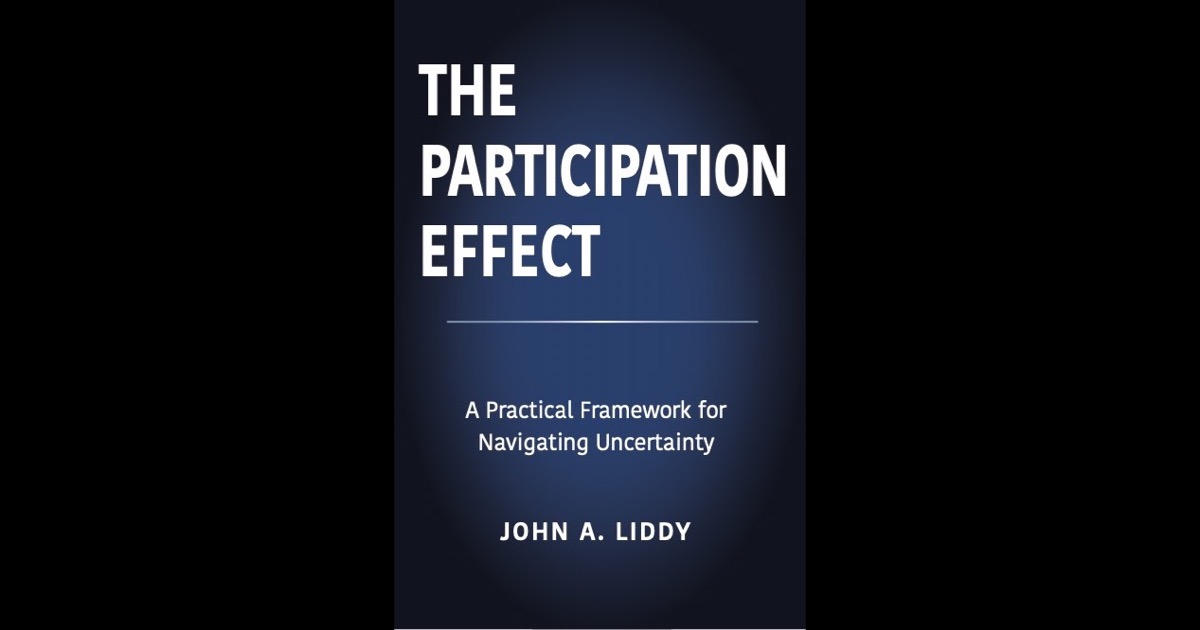
In The Participation Effect, this matters because perception changes what options you can see. When you stay trapped in the argument with reality, your field narrows. You stop reading the moment accurately enough to make clean decisions inside it.
If you want the full framework, the book is on Amazon. If you want the smallest daily practice version, Daily Rise is built for exactly this kind of recognition.
The cost of resisting what is already here
It drains attention.
It makes every next step feel heavier because part of you is still pushing against the ground beneath your feet.
It turns disappointment into identity.
It also keeps you from noticing the choices that are still available, because those choices rarely look the way you wanted the story to look.
Acceptance does not make pain disappear. It stops pain from taking over every cognitive channel you have.
Useful action starts after the argument
This is the practical reason acceptance matters.
Once you stop fighting the fact itself, you can finally ask better questions.
What is true now?
What still matters?
What is mine to do next?
What do I need to stop expecting from this person, this job, this season, or this version of myself?
Those questions are not passive. They are the beginning of movement.
Some people would rather stay angry than become clear
Anger can feel more active than grief.
Argument can feel more alive than surrendering the fantasy.
That is why some people hold onto resistance long after it stops helping them. The argument gives them somewhere to stand.
Clarity asks more.
Clarity says the fantasy is over, but your life is not.
Clarity says you still have work to do here.
Stop asking reality to be a different reality
This is the simple version.
Not easy. Simple.
The event happened.
The person is who they are.
The season changed.
The door closed.
The cost is real.
Once you stop trying to make the fact become unfact, your energy returns. Maybe not all at once. But enough to think again. Enough to move again.
That is what acceptance buys you.
It does not buy comfort. It buys usable energy.
If you want a framework for doing that work without turning it into spiritual wallpaper, start with The Participation Effect on Amazon. If you want a small daily practice for noticing when you are arguing with reality instead of reading it, use Daily Rise.