The problem is not hope. It is dishonesty.
Most people can feel the difference immediately.
Hope says, "This is hard, but I may still be able to move."
Toxic positivity says, "Do not look at the hard part at all."
That second version feels awful because your body knows you are lying. The grief is still there. The anger is still there. The fear is still there. Now you also have the pressure to smile over it so nobody thinks you are negative.
That is not emotional strength. That is emotional suppression with better branding.
Why false positivity backfires
When you try to force a brighter thought before you have actually recognized the darker one, the mind usually splits.
One part keeps performing.
Another part gets louder underneath.
That is why the affirmations do not stick. The deeper layer has not been met yet. It is still asking for recognition.
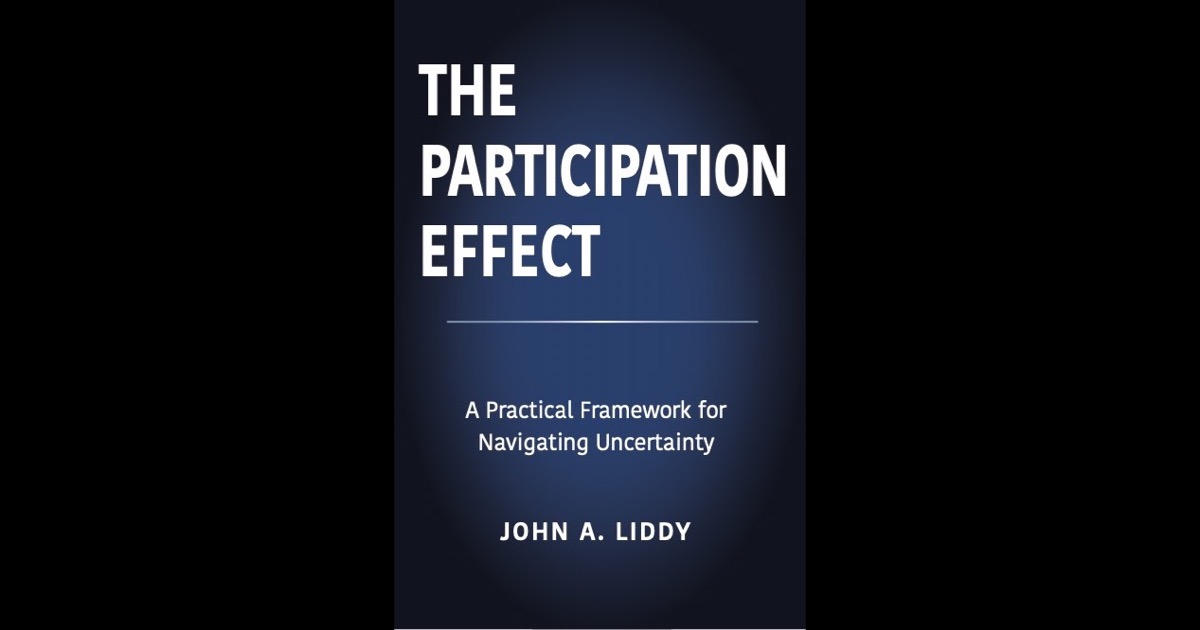
In The Participation Effect, this is why the emotional scale matters. You cannot honestly jump from despair to gratitude by force. The bridge between states matters. Real movement happens one level at a time.
If you want the larger framework, the book goes deeper. If you want a small daily tool for noticing where you actually are instead of pretending, the Daily Rise companion page is the clean place to start.
Negative feelings are not moral failure
This is one of the most damaging misunderstandings in self-help culture.
People start treating sadness, anger, resentment, jealousy, doubt, and fear like proof they are doing life wrong.
They are not.
They are data.
Sometimes messy data. Sometimes inconvenient data. Sometimes data you wish you did not have.
Still data.
When you treat feelings as information instead of identity, you stop needing to decorate them into something prettier before you are willing to look at them.
Real positivity starts after contact with reality
This is the part that matters most.
Healthy optimism is not blind. It is reality-based.
It says:
This hurts.
This is disappointing.
I am not where I wanted to be.
And there may still be a next move here.
That last sentence is what false positivity tries to counterfeit. It wants the feeling of hope without the cost of honesty. But hope built on denial is fragile. One bad email and it collapses.
Hope built on truth is steadier because it does not depend on fantasy.
What to say instead of "just stay positive"
If you want language that actually helps, try this:
This is real.
I do not have to like it to admit it.
I do not need to solve everything right now.
I can look for the next honest move from here.
That language does not abandon pain. It gives pain edges. And once pain has edges, it stops swallowing the whole frame.
The goal is not to feel good on command
A lot of people stay stuck because they keep making the wrong thing the goal.
They think regulation means feeling good.
A better definition is this: regulation means staying grounded enough to respond instead of react.
That may still include sadness.
It may still include grief.
It may still include anger.
What changes is that the feeling stops being the only voice in the room.
That is a very different life than the one built around denial.
Let the truth be the beginning, not the enemy
If positivity only works when reality is cropped out, it is not helping you.
You do not need to become more negative. You need to become more honest.
Then, from that honesty, you can choose perspective, action, or patience that actually fits the moment.
That is stronger than pretending.
It is also how real hope survives contact with life.
If you want a framework that respects pain without letting it steer everything, start with The Participation Effect on Amazon. If you want the shortest daily practice for naming your actual state instead of covering it with slogans, use Daily Rise.