Reaction feels instant
Someone says the sentence. The email lands. The tone changes. Before you know it, you are already defending, explaining, withdrawing, pleasing, attacking, or rehearsing a speech in your head.
Reaction can feel like weather. It arrives, and you are inside it.
But most reactions have a small doorway before them. The doorway is brief, and it is easy to miss. It is the moment when the body has started to respond but the old behavior has not fully taken over.
That moment is where participation can change.
The pause is not passivity
People sometimes confuse pausing with weakness. If I do not answer immediately, I am letting them win. If I do not defend myself right now, the story will harden without me.
That fear is understandable. It is also expensive.
The pause is not surrender. It is the place where you stop the old machinery long enough to choose what kind of person you want operating the controls.
Sometimes the right response is direct. Sometimes it is firm. Sometimes it is silence until your nervous system has come back online. The pause does not decide the response for you. It gives you a chance to decide it.
Find the body signal
The doorway usually starts in the body before it becomes a thought.
Heat in the face. Tightness in the jaw. A drop in the stomach. The need to answer too fast. The urge to prove, fix, vanish, or win.
These are not problems to eliminate. They are alerts. They tell you the old pattern is nearby.
When one appears, name it in plain language. "I am activated." "I want to defend." "I am about to say yes too quickly." The naming is small, but it creates a few inches of space.
Ask what you are about to feed
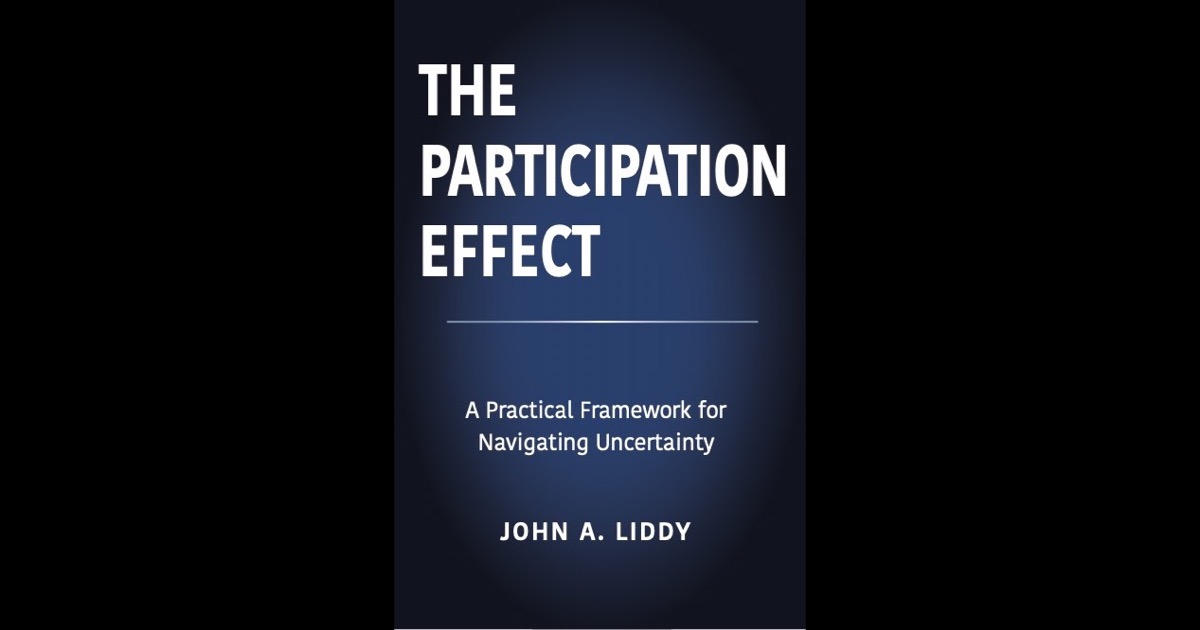
The key question in The Participation Effect is not "What do I feel?" It is "What am I about to participate in?"
That question cuts through the fog. If you send the paragraph, what grows? If you keep arguing, what grows? If you say yes from fear, what grows? If you wait ten minutes and answer from steadier ground, what might grow instead?
This is not about being perfect. It is about noticing that every reaction is also an investment.
A three-breath practice
When you catch the doorway, try this:
First breath: name the body signal.
Second breath: name the urge.
Third breath: name one available value. Honesty. Respect. Clarity. Patience. Courage. Care for tomorrow's self.
Then act, or do not act yet, from that value.
Three breaths will not solve a lifelong pattern. They can interrupt one repetition. One interruption is enough to prove the pattern is not the whole truth.
Repair counts too
You will miss the doorway sometimes. You will react and recognize it ten minutes later, or the next morning.
That recognition still matters. Repair is another form of participation. "I answered too quickly." "I want to say that differently." "I need to come back to this when I can be clear."
The goal is not to become a person without reactions. The goal is to become a person who returns sooner.
If you want the larger framework for building those returns, The Participation Effect is on Amazon. If you want a short daily check-in for catching the doorway earlier, try Daily Rise.