The conversation you keep writing has no second participant
You know the script by heart.
They finally see what they did. They say the exact sentence you need. I was wrong, you did not deserve that, I understand now what it cost you. In the script, something in your chest unclenches and the chapter closes.
You have been revising that script for months. Maybe years.
Here is the fact underneath it. The scene requires their participation, and their participation is not available. Either they cannot see it, or will not, or are no longer reachable at all. The script is a play with one actor showing up to rehearsal.
Closure was never theirs to give
This sounds harsh and is actually the way out.
We treat closure like a package the other person is holding. They hand over the apology, we receive the peace. As long as they withhold it, we wait at the window.
That model gives the person who hurt you permanent custody of your recovery. Read that again slowly. The person least qualified to manage your healing holds the only key, and you handed it to them by defining closure as something they deliver.
Closure is not a transaction. It is a recognition. It happens in your perception, not in their conscience, which means it can happen without them.
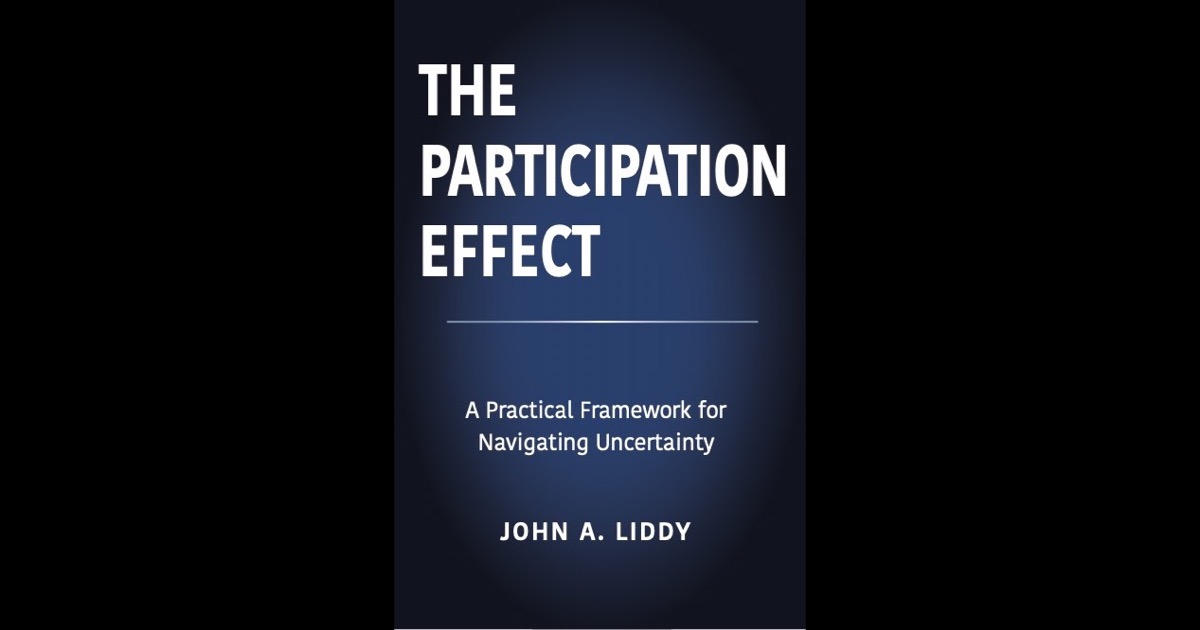
This is the territory The Participation Effect works in. The framework's claim is that what you participate in grows, and a waited-for apology is a form of participation in someone else's choices instead of your own life. The full framework is on Amazon, and if you want it as a daily practice rather than a concept, Daily Rise is the companion built for that.
What the waiting actually does to you
The wait is not neutral.
Every day spent needing their acknowledgment is a day your account of your own life stays provisional. You know what happened. You were there. But some part of you has decided your knowledge does not count until they countersign it.
So the story stays open. Open stories demand attention. You replay the events looking for the angle that will finally make them see, and each replay re-runs the original hurt at nearly full strength.
This is the trap covered in the essay on arguing with reality. The fact is already here. They did what they did, and they are who they are. The negotiation is consuming energy the rest of your life needs.
Writing the ending yourself
Closure you build looks different from closure you receive. It has parts.
First, the honest account. What happened, what it cost, written or spoken plainly, without softening it to be fair to them and without inflating it to win the case. Just true. You are the witness whose testimony counts.
Second, the grief. Not for the person they were, usually. For the person you thought they were, and for the version of events you deserved and did not get. That grief is real even though its object was partly imaginary. Let it be a real grief.
Third, the sentence that replaces the apology. Something like, they were not able to be who I needed, and I am done waiting for that to change. Notice the sentence requires nothing from them. It is built entirely from materials you already have.
Acceptance is the closure
Here is the quiet truth at the bottom of this.
The unclenching you imagined arriving with their apology was never going to come from their words. It comes from the moment you stop disputing the fact. Apologies feel like closure because they make the fact undeniable, and the mind finally stops litigating.
You can reach the same stop without them.
Not approval. Not pretending it was fine. Just the end of the argument with what already happened. Acceptance closes the case the apology was supposed to close, and acceptance is unilateral. It needs one signature, and the signature is yours.
What you get back is not a warm scene. It is your attention. The hours that went to the script return to the day in front of you, and the probability of that day containing something good goes up simply because you are present in it again.
If you are ready to do that work with a full framework instead of a single essay, The Participation Effect is on Amazon. If you want a small daily practice for noticing when you have drifted back to the window to wait, start with Daily Rise.