If chaos has been normal, calm can feel suspicious
People talk about stability like it should feel obviously good.
Safe. Clear. Peaceful. Grounded.
Sometimes it does.
Sometimes it feels weirdly empty.
If your body has been organized around urgency for a long time, a quieter state does not always register as relief. It can register as boredom, numbness, uncertainty, or even threat.
That confuses people. They assume they are doing something wrong because the absence of chaos does not feel instantly comforting.
Usually it means the opposite.
The nervous system learns familiar before it learns healthy
This is part of why people keep recreating stressful situations even when they are tired of them.
The familiar state feels easier to recognize. Hypervigilance feels like sharpness. Tension feels like readiness. Emotional noise feels like meaning.
A calmer state can feel less dramatic, so the mind starts questioning it.
Am I disconnected?
Am I unmotivated?
Why does this feel flat?
What many people are actually experiencing is the uncomfortable middle between survival mode and clarity. The system is not fully relaxed yet, but it is no longer feeding on the same emergency signals.
Stability is often quieter than people expect
Real stability is not a performance.
It is not saying the right things in a regulated tone while you are still bracing underneath.
It often looks much smaller than that:
- you do not spiral as fast after a bad conversation
- you pause before reacting
- you recover the same day instead of three days later
- you notice contraction before it takes over the room
- you stop calling every fluctuation a crisis
That kind of progress is easy to dismiss because it does not look cinematic. It is still progress.
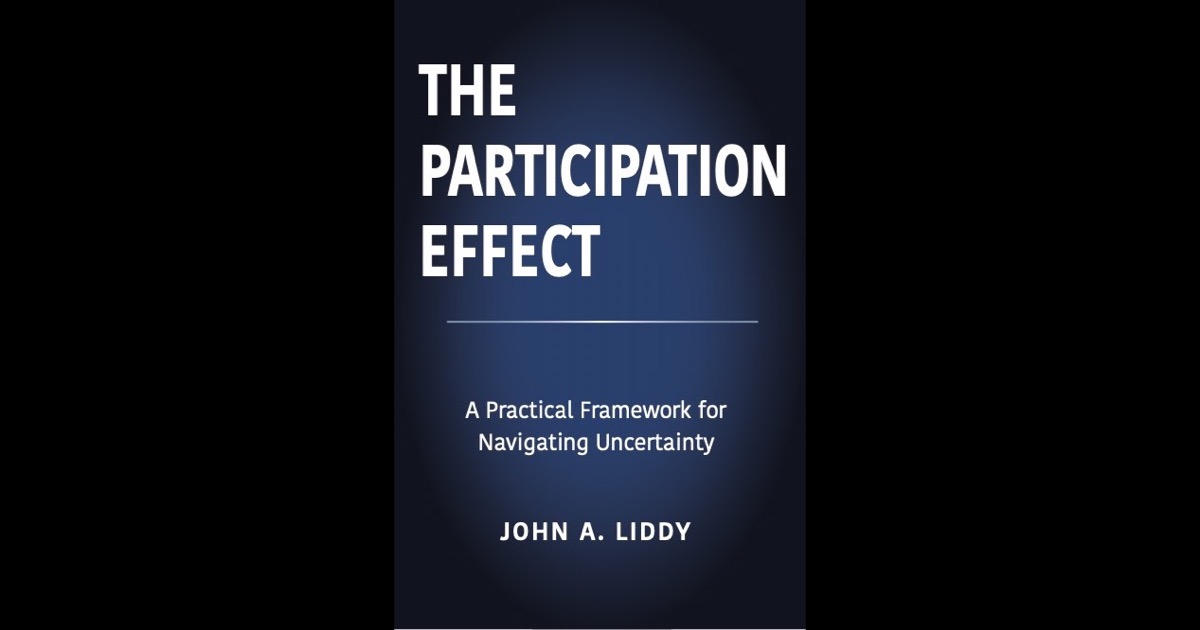
In The Participation Effect, this is the difference between trying to control reality and learning how to recognize your own state accurately enough to respond from it. The framework matters because recognition changes decisions before decisions turn into consequences.
If you want the full frame, start with the book on Amazon. If you want the daily practice version, the Daily Rise companion page is built for exactly this kind of recognition.
The early version of calm can feel boring
This is one of the hardest parts to admit.
When your life has been saturated with emotional spikes, steadiness can seem almost disappointingly plain.
There is less adrenaline.
Less dramatic storytelling.
Less psychic noise to organize yourself around.
That can feel like loss before it feels like freedom.
A lot of people go looking for a problem at exactly this stage. They start overthinking, picking fights, or inventing urgency because the old level of internal stimulation is gone and they do not yet know how to trust the quieter state.
The question is not “does this feel exciting?”
The better question is:
Does this state let me see more clearly?
Do I make better decisions here?
Do I stop damaging things I care about when I stay here longer?
That is a better measure than intensity.
Stability is not valuable because it feels impressive. It is valuable because it reduces distortion.
You do not have to force yourself to love calm immediately
That expectation makes the process harder than it needs to be.
You can let the new state feel unfamiliar for a while.
You can notice the part of you that wants to manufacture drama.
You can stop interpreting that pull as truth.
The goal is not to become a different person overnight. The goal is to stop treating chaos like your native language.
What stability actually feels like
At first, it may feel simple enough to miss.
More space between trigger and reaction.
Less need to prove your pain in every room.
Less compulsion to make every hard feeling mean something permanent.
A little more room to choose.
That is not nothing.
That is the beginning of a different life.
If you want a framework for staying with that shift long enough for it to become real, start with The Participation Effect on Amazon. If you want the small daily repetition that helps you recognize the state you are actually in, use Daily Rise.