Resentment has a schedule and you are keeping it
Nobody applies for this job.
You just notice one day that a person who hurt you two years ago still gets a daily meeting. You rehearse the argument in the shower. You read their tone into other people's sentences. You catch yourself drafting a comeback while stirring pasta.
That is labor. Unpaid, unscheduled, and somehow never finished.
The person you resent is not attending these meetings. You are holding them alone.
The grievance might be real. The job is still optional.
This is the part people resist.
Letting go of resentment sounds like letting someone off the hook. It sounds like agreeing that what happened was fine, or small, or your fault.
It is none of those things.
The harm can be completely real and the daily rehearsal can still be costing you more than it costs them. Those are two separate facts. Most of us fuse them, and the fusion is what keeps the job open.
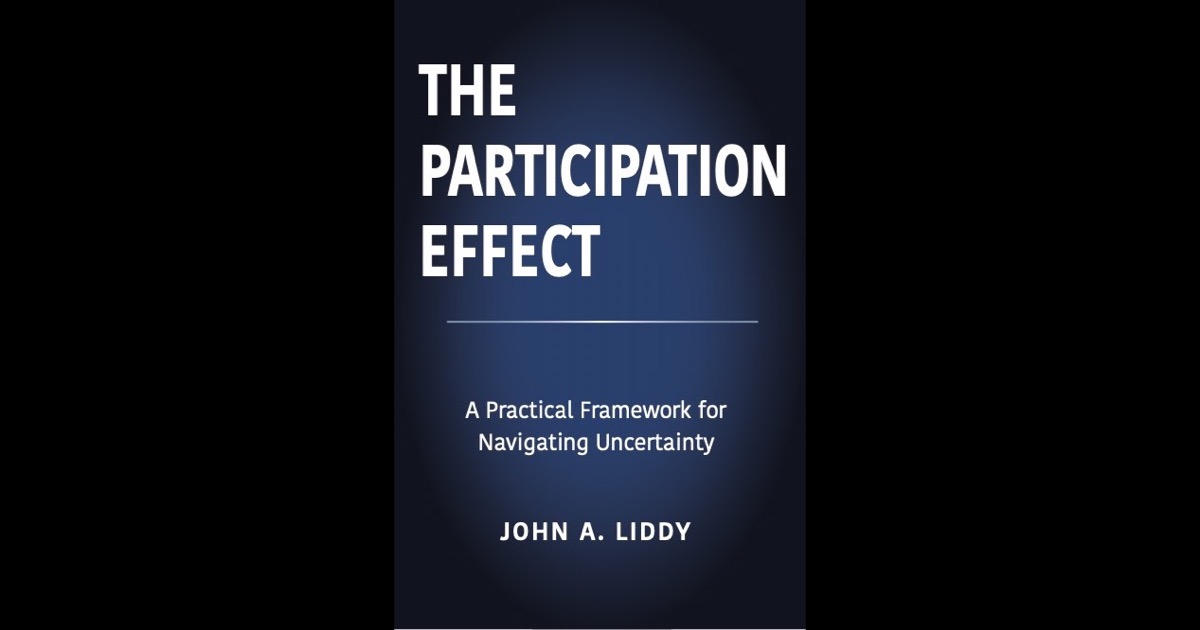
In The Participation Effect, this distinction matters because resentment distorts perception. When a grievance runs in the background all day, you stop reading the present accurately. New people get scanned for old crimes. Neutral moments get filed as evidence. Your field of available options shrinks because part of your attention is permanently assigned to a courtroom that will never convene.
If this is the loop you are stuck in, the framework behind this article is laid out in full on Amazon, and the two-minute daily version lives in Daily Rise.
What resentment actually pays you
It pays something. Otherwise nobody would keep it.
Resentment gives you a story where you are clearly the wronged party. That story has structure. It explains the bad year, the lost trust, the way things went sideways.
It also gives you a kind of company. The rehearsed argument is a relationship of sorts. An ugly one, but familiar.
And in recovery especially, resentment can feel safer than grief. Anger has voltage. Grief just hurts. So the mind keeps choosing the version with voltage, and calls it having standards.
The problem is the exchange rate. You trade hours of attention, sleep, and presence for a story that never resolves. The ledger only runs one direction.
Putting it down is not one decision
Here is where most advice fails.
People treat resentment like a bag you set down once. You decide to let go, you feel lighter for an afternoon, and then Tuesday morning the meeting reconvenes without your permission.
That is not failure. That is how rehearsed patterns work.
Putting down resentment is closer to noticing than deciding. You catch the rehearsal starting. You name it. There it is again. Then you bring your attention back to whatever is actually in front of you, the way you would in any other practice.
You will do this dozens of times. Maybe hundreds. Each catch is a small act of emotional regulation, and each one weakens the pattern slightly. None of them feel like victory. Together they are the whole thing.
The recognition that changes the math
At some point a quieter thought arrives.
This is my time. Not theirs. Mine.
Every rehearsal is an hour of your one life assigned to someone who is not even in the room. The recognition does not excuse what they did. It just relocates the question. The question stops being whether they deserved your anger and becomes whether your Tuesday deserves to be spent on them.
That shift is the same move that drives emotional sobriety in recovery. Not pretending the feeling is gone. Refusing to let the feeling run the schedule. If you are working on that larger skill, the piece on emotional sobriety goes deeper into what it looks like in practice.
What fills the space
Resentment leaves a vacancy when it shrinks.
That can feel strange at first. The daily meeting gave your mind something to do. Without it, there is a gap where the rehearsal used to live.
The gap is the point.
Into that space comes the actual day. The conversation you are in instead of the one you are rehearsing. The probability that something good happens this afternoon, which goes up the moment you are present enough to notice it.
You do not have to forgive anyone to get this back. You just have to stop showing up for a job that was never going to pay.
If you want the full framework for noticing where your attention has been conscripted and taking it back, The Participation Effect is on Amazon. If you want a small daily practice for catching the rehearsal before it eats the morning, start with Daily Rise.