Most people do not actually know their patterns
They know their stories about their patterns.
They know they get stressed sometimes, shut down sometimes, snap sometimes, procrastinate sometimes, overcommit sometimes, and feel flat sometimes.
That is not the same thing as knowing when, why, and in response to what those states tend to show up.
A month of honest tracking changes that.
Not because it makes you profound. Because it gives you evidence.
Evidence is what breaks the illusion that every emotional shift is random.
Tracking turns vague suffering into observable data
When you write down your emotional state every day, even briefly, a few things happen fast.
You start seeing which days follow sleep debt.
You start seeing which conversations leave residue for hours.
You start seeing whether anxiety spikes before decisions, after caffeine, during certain work blocks, or around certain people.
You start seeing how often shame disguises itself as laziness.
That is valuable because you cannot work well with what you keep experiencing only as fog.
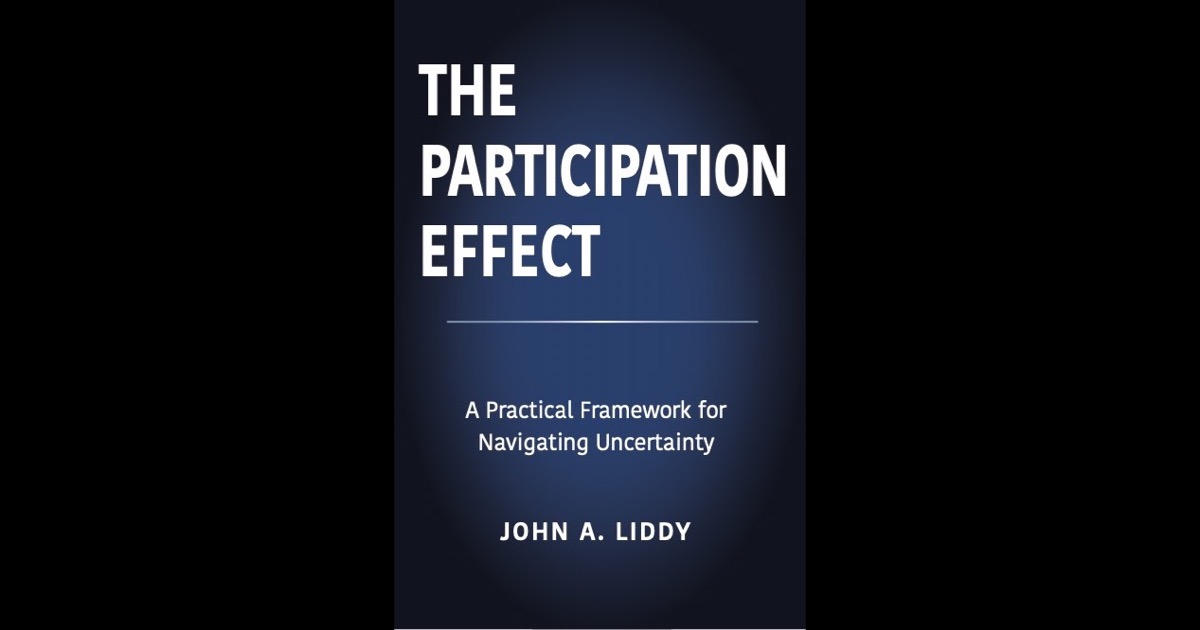
In The Participation Effect, this is why emotional recognition comes before better decisions. If you do not know what state you are in, you keep calling your reactions personality.
If you want the broader framework, the book explains it. If you want the quick daily practice version, the Daily Rise companion page is built around exactly this kind of recognition.
The method should be simple enough that you actually use it
Do not build a tracking system you secretly hate.
You do not need twelve categories, color-coded charts, and a reflective essay every night.
You need something you can repeat.
What state am I in?
What seems to have contributed?
What did I do next?
That is already enough to start learning from yourself.
Consistency beats sophistication here. A rough daily log for thirty days will teach you more than an elaborate system you abandon after two entries.
What changes after a few weeks
At first, it feels boring.
Then it gets revealing.
You notice the same triggers showing up again.
You notice that what you called "a bad day" often started with a predictable chain: poor sleep, skipped food, one tense exchange, then a flood of certainty that everything was broken.
You notice that some people bring out clarity and some bring out contraction.
You notice that certain work habits look productive until you compare them with how wrecked you feel afterward.
This is the payoff. You stop arguing with patterns that keep repeating. You start working with them.
Tracking is not about control
Some people resist this because they think it sounds obsessive. They worry they will start monitoring themselves too closely.
That can happen if the goal is perfection.
It does not happen if the goal is recognition.
Recognition says, "This is what tends to happen."
Control says, "I should never feel this again."
Those are different projects.
The first one builds clarity. The second one usually builds more shame.
The real win is earlier intervention
The biggest benefit is not the data itself. It is timing.
Once you know your own pattern, you can intervene earlier.
You can catch the slide before it becomes a spiral.
You can stop calling a stress response a personality flaw.
You can choose a different next action because you recognize the state sooner.
That is where your life gets easier. Not because you become perfectly regulated. Because you stop getting surprised by yourself in the same expensive ways.
Thirty days is long enough to stop guessing
If you track honestly for a month, you will not come out with every answer.
You will come out with something better than vague self-judgment.
You will have proof.
Proof of when you tighten.
Proof of what depletes you.
Proof of what steadies you.
Proof that some of what you called fate is actually pattern.
That is enough to change decisions.
If you want the full system behind that shift, start with The Participation Effect on Amazon. If you want the smallest possible daily tool for tracking state without turning it into a whole production, use Daily Rise.