The problem is not mindfulness. It is the branding around it.
Most people who say they hate mindfulness are not rejecting attention. They are rejecting the performance around attention.
They are rejecting the soft voice, the vague promises, the pressure to feel serene, and the weird social expectation that noticing your own mind should somehow make you float above ordinary human problems.
That is fair.
If you are skeptical, it usually means you have already been offered a version that felt detached from real life. You were told to breathe while your bills were late, your relationship was strained, or your mind was running hard enough to make your chest feel tight. That does not feel useful. It feels insulting.
The practical version is much simpler. Mindfulness is just noticing what state you are in before that state starts making decisions for you.
You do not need peace first. You need recognition first.
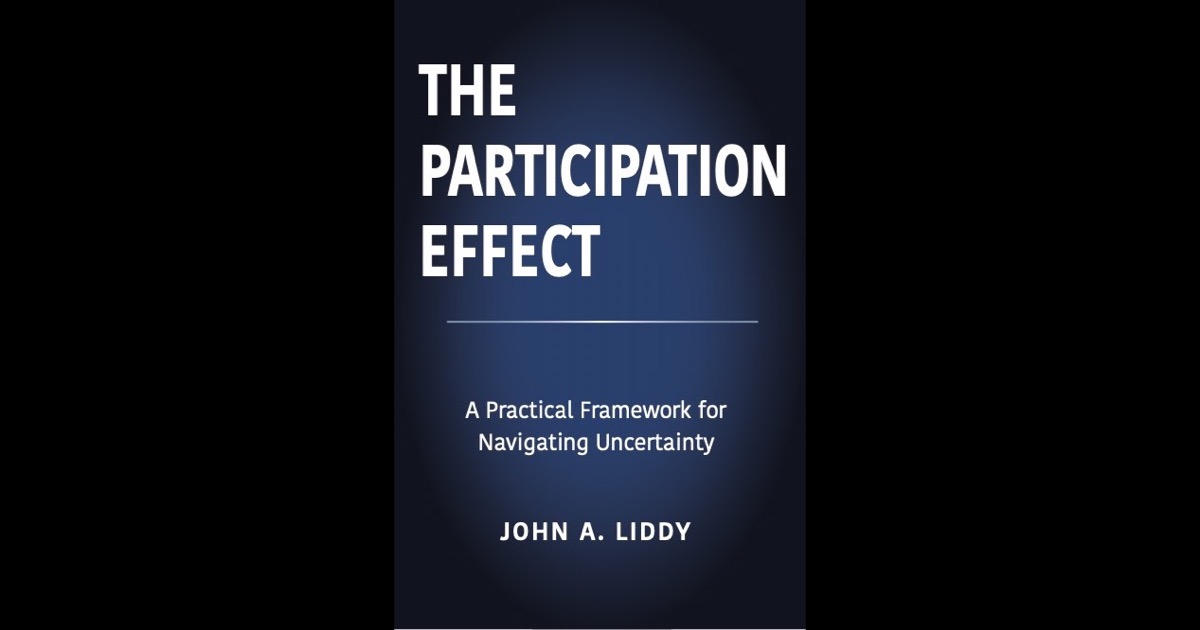
The core framework in The Participation Effect is not about becoming calm on command. It is about learning to recognize where you are on the emotional scale so you stop demanding high-level thinking from a body that is already below neutral.
That matters because most bad decisions do not start with bad intentions. They start with misread internal state.
You send the text from resentment.
You quit from humiliation.
You agree to something from fear.
You buy something from emptiness.
You tell yourself it was logic after the fact.
Recognition interrupts that pattern. It does not solve the whole situation. It gives you enough honesty to stop pretending you are clear when you are not.
If you want the full framework behind that, The Participation Effect lays it out directly. If you want the smallest possible daily practice, the Daily Rise companion page is built for exactly that.
The practical version takes about two minutes
If the word mindfulness makes you flinch, call it a state check.
Pause long enough to ask three questions.
What am I feeling right now?
What story is that feeling trying to sell me?
What is one smaller, cleaner action than the one I want to take immediately?
That is it.
No special playlist. No personality transplant. No promise that you will feel wiser in ten seconds.
The point is to create a little space between sensation and behavior. That space is where your life changes. Not because it is magical. Because it gives you one beat to stop momentum from owning you.
Skeptics usually want proof, not poetry
That is reasonable. So look at the evidence in your own life.
How many bad conversations started because you were already activated before the conversation began?
How many purchases, promises, arguments, and spirals were really a state problem first and a thinking problem second?
That is the whole case.
Mindfulness, stripped of branding, is just the discipline of catching the state early enough to keep it from impersonating truth.
You do not need to believe in anything mystical to see the value in that. You only need to admit that your perception changes when your nervous system changes. That is observable. It is not ideology.
The real resistance is usually fear of feeling foolish
A lot of skeptical people are not actually skeptical of the practice. They are protective of their identity.
They do not want to become the kind of person who says soft, vague things and calls it growth. They do not want to be seen as gullible. They do not want to perform self-help language they do not respect.
Good. Then do not do any of that.
Take what works and leave the costume behind.
Use language you believe.
Use a method you can repeat.
Judge it by whether it makes you clearer, not whether it makes you sound evolved.
A practice is only useful if it survives a bad day
This is the real test.
Can you use it when your body is tense, your thoughts are loud, and the easy move would be to react from momentum?
If the answer is yes, you have something real.
If the answer is no, you do not need more inspiration. You need a simpler tool.
That is why the useful version of mindfulness is so plain. Notice the state. Name it honestly. Do one thing from that recognition instead of from the panic, resentment, or shame that was about to run the room.
That is not spiritual theater. That is competence.
And if you want a framework that keeps it grounded in real life instead of abstraction, start with The Participation Effect on Amazon. Then use Daily Rise as the daily reminder that your state is not a side note. It is often the thing steering the whole day.